



Alcoholic optic neuritis is a lesser-known medical condition, but it is no less important, as it can significantly affect the vision of those who suffer from it. This article aims to provide key information about this pathology, with the goal of raising patient awareness about the importance of prevention and early diagnosis.
What is Alcoholic Optic Neuritis?
Optic neuritis is an inflammation of the optic nerve, which is essential for transmitting images from the retina to the brain.
The optic nerve is vulnerable to various toxic substances, including alcohol and tobacco.
When the inflammation is triggered or aggravated by excessive alcohol consumption, we refer to it as alcoholic optic neuritis. This condition can lead to sudden vision loss, often in a painful manner, and it can affect one or both eyes.
Causes and Risk Factors
Alcohol can have a significant impact on visual health in various ways. In the case of optic neuritis, excessive alcohol consumption can lead to nutritional deficiencies, particularly of vitamin B, which is essential for optic nerve health. Additionally, alcohol can have direct toxic effects on the optic nerve and adjacent ocular structures.
Symptoms to Monitor
The symptoms of alcoholic optic neuritis can range from mild to severe and include:
- Sudden vision loss, which can develop within hours or days.
- Eye pain, especially with eye movement.
- Changes in the visual field, such as the appearance of dark or empty areas.
- Alterations in color perception, with a tendency to see colors as faded or less vibrant.
Diagnosis and Treatment
Early diagnosis is crucial to prevent permanent vision damage. The eye examination is negative: this means that nothing abnormal is seen.
Ophthalmologists use a series of tests, including fundus examination, optical coherence tomography (OCT), and magnetic resonance imaging (MRI) of the brain and orbits, to assess the state of the optic nerve and identify inflammation.

The color test confirms dyschromatopsia, which predominates along the red-green axis. A blood test will be useful to rule out nutritional or vitamin deficiencies.
Optic neuritis is retrobulbar: a visual field test is useful.
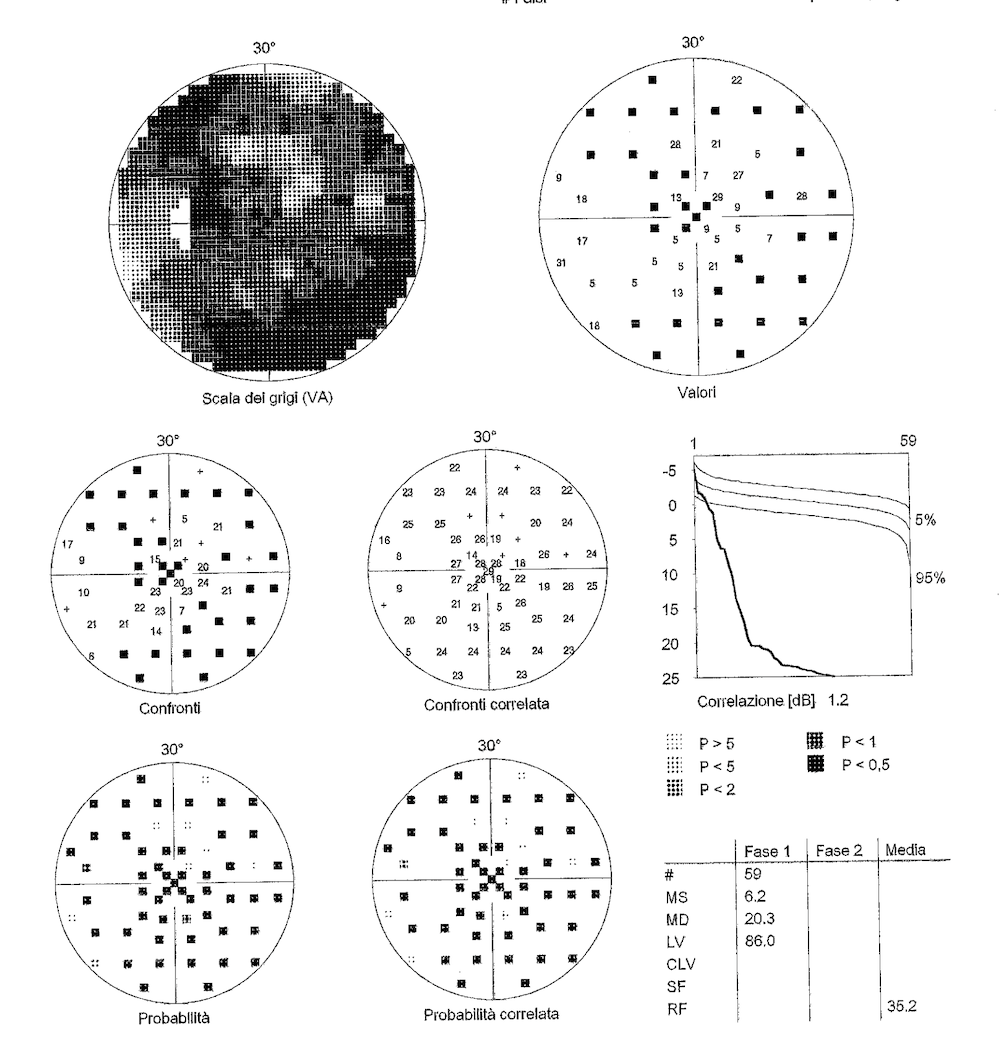
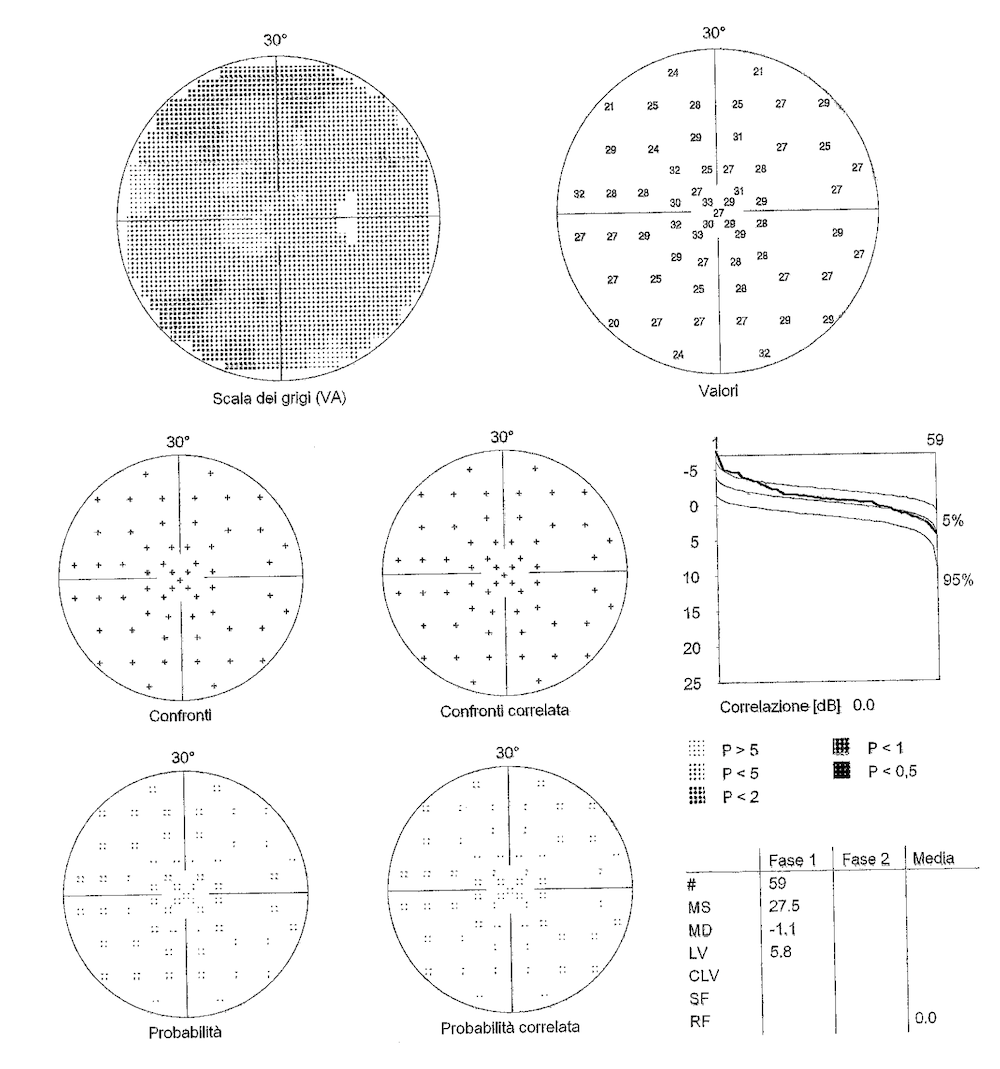
The treatment of alcoholic optic neuritis involves the immediate and permanent cessation of alcohol use, reducing inflammation, and preventing further damage.
This may include the administration of corticosteroids and therapy to address nutritional deficiencies.

It is also crucial to abstain from alcohol to avoid further damage to the optic nerve and other parts of the body.
Prevention: A Fundamental Step
Prevention plays a key role in combating alcoholic optic neuritis. Moderating alcohol consumption, following a balanced diet rich in vitamins and minerals, and undergoing regular eye check-ups can significantly contribute to reducing the risk of developing this condition.

